
Methylparaben as a Reliable Preservative in Cosmetic Formulations
What Is Methylparaben?
Basic Information
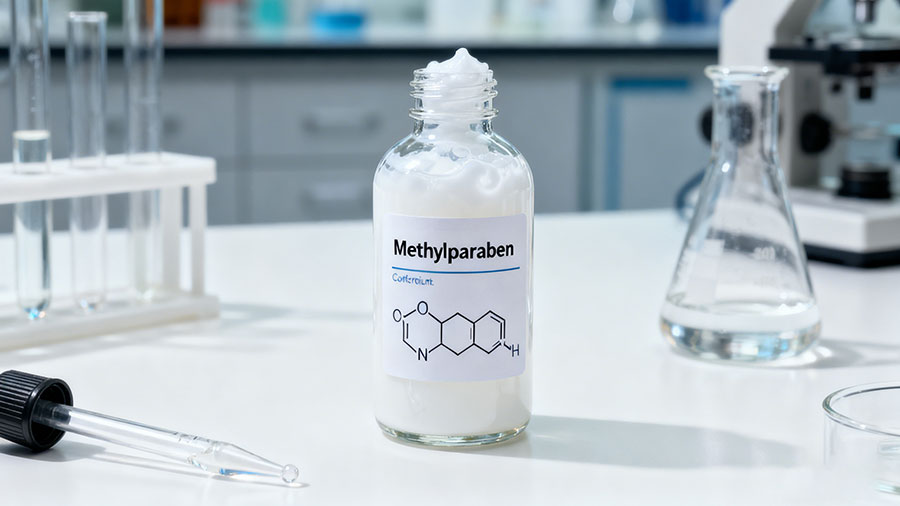
Methylparaben, also known by its chemical name methyl 4-hydroxybenzoate, is a synthetic preservative belonging to the paraben family. Its CAS number (a unique chemical identifier) is 99-76-3, and its molecular formula is C₈H₈O₃. In cosmetics, it is often listed simply as “Methylparaben” on ingredient labels—one of the reasons it is easily recognizable to consumers.
Physical and Chemical Properties
- Appearance: A white, odorless or slightly aromatic crystalline powder (FDA, 2023).
- Solubility: Slightly soluble in cold water (≈0.25 g/100 mL at 25°C) but highly soluble in organic solvents like ethanol, Propylene Glycol, and acetone—making it easy to integrate into oil-based or water-based cosmetic formulas (European Commission, 2022).
- Stability: Stable under normal storage conditions (cool, dry, and away from direct sunlight). It maintains effectiveness in a pH range of 3–6, which aligns with the pH of most skincare and makeup products (Journal of Cosmetic Science, 2020).
- Melting Point: 125–131°C; Boiling Point: ~270°C (decomposes at higher temperatures).
How Does Methylparaben Work in Cosmetics?
Methylparaben’s primary role is to inhibit the growth of microorganisms (bacteria, yeast, and mold) that can contaminate cosmetics. Its mechanism of action is well-documented:
It penetrates the cell membranes of microorganisms, disrupting their enzyme systems (especially those involved in energy production and protein synthesis). This leads to cell death and prevents spoilage (Study by the International Journal of Toxicology, 2019).
Common Applications in Cosmetics
Thanks to its broad-spectrum antimicrobial activity, Methylparaben is used in:
- Skincare: Moisturizers, serums, cleansers, and face masks.
- Makeup: Foundations, lipsticks, eyeshadows, and mascaras.
- Haircare: Shampoos, conditioners, and hair styling products.
- Suncare: Sunscreens and after-sun lotions.
It is often used in combination with other parabens (e.g., ethylparaben, propylparaben) to enhance preservation efficacy—though recent trends favor single-paraben or paraben-free formulations (more on this later).
Is Methylparaben Safe? Research and Controversies
One of the most common questions about Methylparaben is its safety. Let’s address key concerns with data from peer-reviewed studies and regulatory bodies:
Q1: Does Methylparaben have estrogenic activity?
A 2004 study in the Journal of Applied Toxicology first raised concerns that parabens (including Methylparaben) could mimic estrogen in the body. However, follow-up research has clarified critical context:
- The estrogenic effect of Methylparaben is 1,000–10,000 times weakerthan natural human estrogen (estradiol) (European Food Safety Authority, 2021).
- Cosmetic products contain Methylparaben at concentrations of 0.1–0.8% (FDA limit: up to 1% for single parabens). At these levels, the amount absorbed through the skin is too low to disrupt hormonal balance in humans (Study by the Cosmetic Ingredient Review, 2022).
Q2: Is Methylparaben linked to allergies?
Skin irritation or contact dermatitis from Methylparaben is rare. A 2023 analysis of 10,000+ dermatitis cases in the British Journal of Dermatology found that only 0.3% of cases were linked to Methylparaben—far lower than common allergens like fragrance (12%) or formaldehyde releasers (5%).
Q3: What do regulatory bodies say?
Major global agencies have approved Methylparaben for cosmetic use:
- FDA (U.S.): Classifies it as “Generally Recognized as Safe (GRAS)” for use in cosmetics and food.
- EU SCCS (Scientific Committee on Consumer Safety): Confirmed in 2022 that Methylparaben is safe at concentrations up to 1% in cosmetics.
- Health Canada: Allows Methylparaben in cosmetics with no restrictions beyond concentration limits.
Methylparaben Market Trends: Current Status and Future Direction
- Current Market Size
Methylparaben remains a top preservative in the global cosmetics industry. According to a 2024 report by Grand View Research, the global paraben market (including Methylparaben) was valued at \(1.2 billion in 2023, with cosmetics accounting for 65% of demand. Its low cost (≈\)5–$8 per kg for industrial-grade) and high efficacy make it popular among mass-market cosmetic brands.
- Future Trends: Challenges and Opportunities
While Methylparaben is still widely used, three trends are shaping its future:
Paraben-Free Demand: Driven by consumer “clean beauty” preferences, the paraben-free cosmetic market is growing at a CAGR of 15% (2023–2030, Grand View Research). This has led some brands to replace Methylparaben with natural alternatives (e.g., phenethyl alcohol, tea tree oil). However, Methylparaben retains a strong foothold in budget-friendly and professional skincare lines, where cost and efficacy are priorities.
Regulatory Updates: In 2023, the EU banned the use of propylparaben and butylparaben in leave-on cosmetics (due to higher estrogenic concerns), but Methylparaben remains unrestricted. This has shifted demand toward Methylparaben as a “safer” paraben alternative in regions like Europe.
Sustainable Sourcing: Manufacturers are now investing in eco-friendly production of Methylparaben. For example, BASF launched a bio-based Methylparaben in 2024, made from renewable feedstocks (e.g., plant-based phenol) instead of petroleum. This addresses consumer demands for sustainability while maintaining product performance.
Conclusion
Methylparaben is a versatile, cost-effective preservative that has kept cosmetics safe for decades. While “clean beauty” trends have boosted paraben-free alternatives, research and regulations confirm that Methylparaben is safe at cosmetic concentrations. For brands, it remains a reliable choice—especially in markets where cost and shelf-life are critical. For consumers, understanding its science and limitations helps make informed choices about the products they use.
As the industry evolves, Methylparaben will likely coexist with natural alternatives, adapting to sustainability and regulatory shifts. Whether you’re a cosmetic manufacturer or a consumer, staying updated on research and trends ensures you get the most out of this widely used ingredient.