

From Raw Material to Finished Product: How Pyridoxine HCl (Vitamin B6) Enhances Skincare Repair Ability?
The Basics of Pyridoxine HCl: Beyond the Chemical Formula
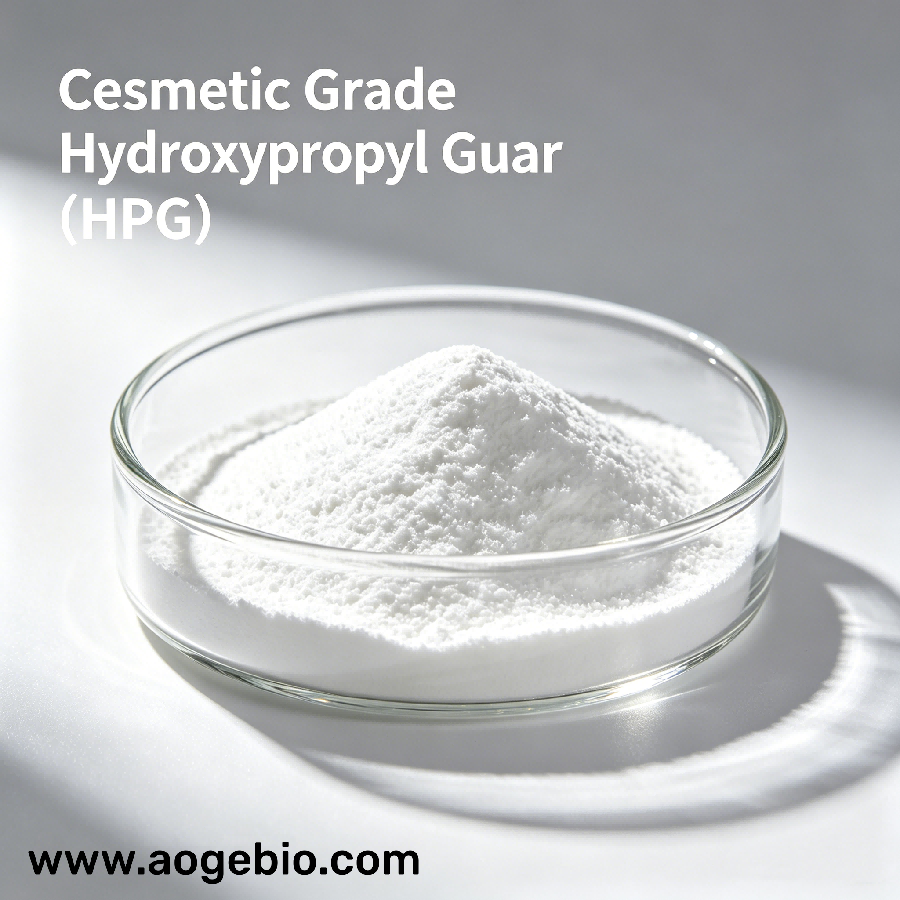
| Pyridoxine HCl boasts a well - defined chemical structure, with the formula C8H11NO3HCL and a molecular weight of 205.64. Visually, it presents as a fine, white to off - white crystalline powder, characterized by its lack of odor and a subtle acidic taste. Its high water solubility is a key advantage for formulators, as it seamlessly integrates into water - based skincare products—from lightweight serums to hydrating lotions—without compromising texture or stability. | 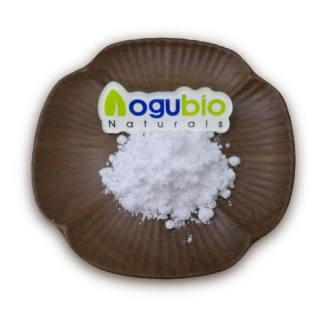 |
Unlike fat - soluble vitamins that can accumulate in the skin, Pyridoxine HCl’s water - soluble nature means it is gently absorbed by the skin’s upper layers and metabolized without risk of buildup, making it suitable for long - term use across all skin types, including sensitive and acne - prone skin.
From Raw Material to Cosmetic Ingredient: A Rigorous Journey
The transformation of Pyridoxine HCl from raw material to a safe, effective cosmetic ingredient involves multiple quality - controlled steps, ensuring consistency and compliance with global standards.
- Sourcing: Synthetic vs. Natural Origins
Most commercial Pyridoxine HCl used in cosmetics is derived from chemical synthesis—a process that yields high purity and avoids the variability of natural sources. The synthesis begins with pyridine, a six - membered aromatic ring, which undergoes chemical modifications to form pyridoxine. This is then reacted with hydrochloric acid to produce Pyridoxine HCl, a stable salt form that resists degradation from heat, light, and air.
While natural sources contain Vitamin B6, extracting it in quantities and purity sufficient for cosmetics is cost - prohibitive and less reliable. Synthetic Pyridoxine HCl, however, meets the strict purity requirements set by organizations like the International Nomenclature of Cosmetic Ingredients and the Cosmetic Ingredient Review .
- Purification: Ensuring Purity and Safety
After synthesis, Pyridoxine HCl undergoes recrystallization—a process where the compound is dissolved in a solvent and then cooled to form pure crystals. This step removes impurities such as unreacted starting materials, heavy metals, and residual solvents. Post - crystallization, the crystals are dried under controlled conditions to remove moisture, ensuring a stable powder that won’t clump or degrade during storage.
How Vitamin B6 Works in Skincare: Scientific Insights Backed by Research
- Skin Barrier Repair: Boosting Ceramide Production
The skin’s barrier is composed of lipids that form a “brick - and - mortar” structure, preventing water loss and blocking external irritants. A damaged barrier leads to dryness, sensitivity, and increased transepidermal water loss.
A 2018 study published in the Journal of Cosmetic Dermatology tested the effects of Pyridoxine HCl on human skin cells in vitro. The study found that treating keratinocytes with 0.5% Pyridoxine HCl increased the expression of genes responsible for ceramide production by 35%–40% over 72 hours. This led to a measurable increase in ceramide levels in the cell membrane, strengthening the skin’s barrier function. In a follow - up clinical trial with 50 participants with dry skin, topical application of a moisturizer containing 0.5% Pyridoxine HCl reduced TEWL by 28% after 4 weeks, compared to a placebo.
- Anti - Inflammatory Properties: Calming Irritation and Redness
Inflammation is a root cause of many common skin concerns, including acne, rosacea, and eczema. Pyridoxine HCl’s active form—pyridoxal 5' - phosphate—modulates the body’s inflammatory response by targeting key signaling pathways.
A 2020 study in the International Journal of Molecular Sciences investigated PLP’s effects on skin cells exposed to irritants. The study found that PLP inhibited the production of pro - inflammatory cytokines like interleukin - 6 and tumor necrosis factor - alpha by up to 50%. This reduction in inflammation translated to less redness and irritation: in a clinical trial with 30 participants with rosacea, a serum containing 0.3% Pyridoxine HCl reduced facial redness by 22% after 8 weeks, as measured by a chromameter.
- Antioxidant Protection: Fighting Free Radical Damage
Free radicals—unstable molecules generated by UV radiation, pollution, and stress—damage skin cells, leading to premature aging and collagen breakdown. Pyridoxine HCl acts as an antioxidant by neutralizing these free radicals.
A 2019 study in Skin Pharmacology and Physiology evaluated the antioxidant effects of Pyridoxine HCl in human volunteers. Participants applied a lotion containing 1% Pyridoxine HCl to one arm and a placebo to the other, twice daily for 6 weeks. Skin biopsies showed that the treated arm had a 40% higher level of glutathione and a 32% lower level of malondialdehyde compared to the placebo arm. The study also noted a reduction in the appearance of fine lines: participants reported a 15% improvement in skin smoothness, confirmed by a profilometer.
Applications in Cosmetics: Where Pyridoxine HCl Shines
- Moisturizers: Hydration with Barrier Repair
Moisturizers are the foundation of any skincare routine, and Pyridoxine HCl enhances their efficacy by strengthening the skin’s barrier while delivering hydration. It pairs particularly well with other hydrating ingredients like hyaluronic acid and glycerin, as it helps lock in moisture long - term.
- Serums: Targeted Relief for Inflammation
Serums have higher concentrations of active ingredients, making them ideal for addressing specific concerns like redness, rosacea, or post - acne irritation. Pyridoxine HCl in serums acts quickly to calm inflammation, thanks to its small molecular size, which allows it to penetrate the skin’s upper layers rapidly.
- Acne - Fighting Products: Reducing Inflammation and Breakouts
Acne is often driven by inflammation. Pyridoxine HCl helps calm the red, swollen lesions associated with acne, while also supporting the skin’s barrier to prevent post - acne scarring.
- After - Sun Products: Soothing UV - Induced Irritation
UV radiation causes inflammation and oxidative damage to the skin, leading to redness, peeling, and discomfort. Pyridoxine HCl’s anti - inflammatory and antioxidant properties make it ideal for after - sun products, helping to calm irritated skin and speed up repair.
Conclusion: Pyridoxine HCl—A Versatile Workhorse for Skincare
As consumers continue to seek out ingredients with proven science and gentle efficacy, Pyridoxine HCl is poised to remain a staple in cosmetics—whether in daily moisturizers, targeted serums, or after - sun treatments. Its compatibility with all skin types and long - term safety profile further solidify its role as a “workhorse” ingredient, offering both formulators and users a solution that balances performance and gentleness.
- Name: Yuik
- E-mail: sales02@nahanutri.com
- WhatsApp:+8618066950297